Walk into any flooring store right now and you’ll hear “LVP” thrown around more than almost anything else. Contractors recommend it. Home renovation channels won’t shut up about it. Your neighbor just puts it in their kitchen and loves it.
And yet if you’ve never bought floors before, you might still be standing there wondering what it is and whether it’s genuinely the right choice or just the thing everyone’s selling this year.
This guide gives you a straight answer. No brand promotions, no padding, just what you need to know before spending money on new floors.
What Does LVP Stand For?
Walk into a flooring store and say you want LVP and everyone knows what you mean. But ask someone to actually explain what those three letters stand for and you’ll get a lot of blank stares.
Luxury Vinyl Plank. The luxury part is honestly a bit of a stretch, it was basically a marketing move to distance this product from old vinyl sheet flooring, the kind that peeled, yellowed, and looked cheap within a few years. Calling it luxury was the industry saying, “trust us, this one’s different.”
Vinyl means the material is fully synthetic. Plank means it’s shaped like wood boards —long, narrow strips rather than tiles or rolled sheets.
You’ll see it written different ways depending on where you shop. LVP floor, LVP plank flooring, LVP vinyl flooring. All the same product.
What Is LVP Flooring Made Of?
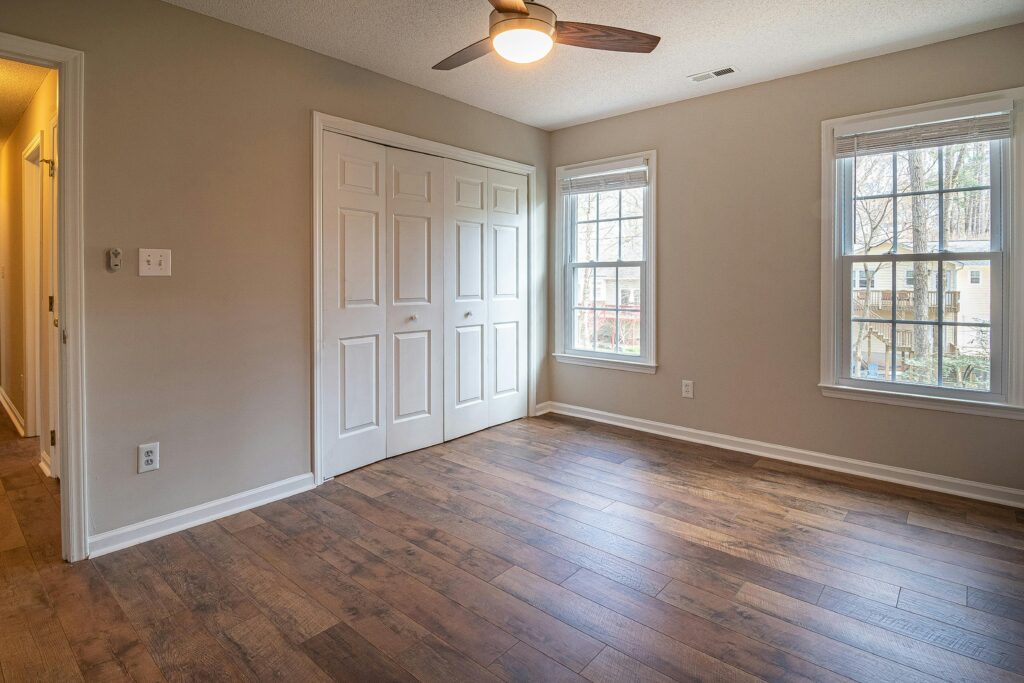
Most people never think about this until something goes wrong. A plank cracks, the floor feels weirdly hollow, or they realize two years in that they bought something flimsy. So it’s worth understanding what you’re actually getting.
An LVP plank has four layers stacked on top of each other.
Backing/Underlayment Layer
At the bottom is a backing layer. Some planks come with underlayment already attached, usually thin foam or cork. That’s genuinely useful because it softens the feel underfoot, muffles sound when you walk and means one less thing to buy separately. If your LVP doesn’t include it, budget for underlayment or your floor will sound like a drum.
Core Layer
Above that is the core, which is where most of the meaningful differences between cheap and quality LVP actually live. There are two types you’ll run into:
SPC (Stone Plastic Composite) uses a mix of limestone powder and PVC. It’s hard, dense, and barely moves when temperatures change. That last part matters more than people realize. Floors over concrete, in rooms that get cold in winter, or near sliding glass doors that heat up in summer. SPC handles all of that without buckling or gapping.
WPC (Wood Plastic Composite) has a foamed core that gives it a softer, warmer feel when you’re walking on it. Genuinely more comfortable, especially in a bedroom or living room where you’re on your feet a lot. The tradeoff is it doesn’t handle temperature swings as well.
Neither is universally better. It depends where you’re installing.
Print Layer
Then there’s the print layer, a photographic film that creates the wood look. This is where the difference between a $2/sqft floor and a $5/sqft floor is most visible. The cheap ones look fine in a store under fluorescent lighting. Take them home, lay them in natural light, and suddenly the repeat pattern is obvious from across the room. Always look at samples in the actual room you’re installing in.
Wear Layer
On top of everything is the wear layer, the clear protective coating. This one number tells you more about how long your floor will last than almost any other spec. It’s measured in miles (thousandths of an inch):
| Wear Layer | Best For |
| 6 mil | Very light use only |
| 12 mil | Standard homes, moderate foot traffic |
| 20 mil | Families with pets and kids |
| 28-40 mil | Commercial or very high traffic |
Under 12 mil, you’re going to see scratches within a few years in any room with real foot traffic. 12 mil is the minimum for a lived-in space. If you have dogs, go 20 mil.
What Is the Difference Between LVP and Laminate Flooring?
People get these two mixed up constantly and honestly, understandably so. They look similar, install the same way, and sit in the same price range. But they’re built differently in a way that matters a lot depending on where you’re putting them.
Laminate has a real wood fiber core —HDF, which is basically very dense compressed wood pulp. That core is what makes laminate vulnerable. Wood fibers absorb moisture. Once water gets into a laminate floor whether from a spill that sat too long, a leak under a dishwasher, or just a damp basement — the planks swell and warp. Sometimes you catch it early. Often you don’t notice until it’s already spread under several rows.
LVP has no wood in it anywhere. The core is plastic-based. Water genuinely doesn’t bother it.
| LVP Flooring | Laminate Flooring | |
| Water resistance | Fully waterproof | Swells when wet |
| Best rooms | Kitchen, bath, basement, anywhere | Dry rooms only |
| Feel underfoot | Softer, quieter | Can sound hollow |
| Lifespan | 20-25 years | 15-25 years in dry conditions |
| Material cost | $2-$7/sqft | $1-$5/sqft |
The practical answer: kitchens, bathrooms, basements, laundry rooms, anywhere with a dog — LVP, no debate. Dry bedroom where moisture is never going to be an issue? Laminate is fine and sometimes looks slightly more convincing at the same price point. But that gap has narrowed a lot.
LVP vs. SPC — Are These Different Things?
Not exactly. SPC is a type of LVP, specifically LVP with a Stone Plastic Composite core. Some brands market them separately because SPC tends to be the higher-performing, more rigid product, and they want to distinguish it from older WPC-core products.
If you see both on a store shelf, the SPC version will generally be denser and more stable in temperature extremes. Better over concrete. More forgiving if your subfloor has minor imperfections.
LVT — Luxury Vinyl Tile — is also the same basic material, just shaped like tile squares instead of planks, meant to mimic stone or ceramic rather than wood.
What Is Floating LVP Flooring?
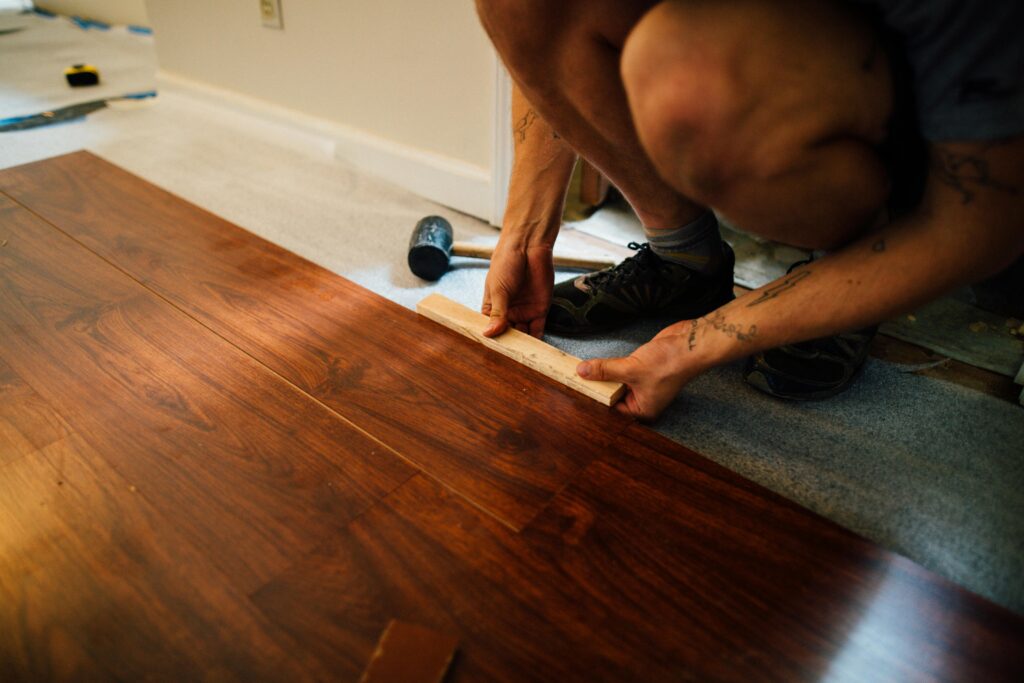
“Floating” sounds a bit misleading, honestly. The floor isn’t actually hovering — it just means the planks aren’t glued or nailed down to anything. They click together along the edges and sit freely on top of the subfloor. You leave a small gap around the walls, usually around a quarter inch, so the floor has space to breathe as temperatures shift — otherwise it buckles.
This is how most LVP gets installed today. It’s DIY-friendly, forgiving, and means individual planks can be removed and replaced if one gets damaged. The alternative — glue-down installation — creates a more permanent, rigid result and is mostly used in commercial settings or rooms with very heavy rolling loads.
For a home renovation, floating is almost always the right call.
What Is a Good Thickness for LVP Flooring?
Four millimeters feels like walking on cardboard. Eight millimeters feels like an actual floor. That’s not an exaggeration.
- 4mm: Skip it. Every subfloor imperfection telegraphs through. Feels cheap underfoot.
- 5-6mm: Budget tier. Rental property material.
- 8mm: Where most quality residential products land. Good feel, good durability, reasonable price. This is the right floor for most people.
- 12mm+: Premium. Noticeably more comfortable. Worth considering for main living areas if the budget allows.
Don’t go below 8mm for a room you use daily. That’s the practical floor, not an upsell.
What Is the Best LVP Flooring Brand in 2026?
Brand matters less than specs, but some brands consistently hit their specs better than others. Here’s an honest breakdown:
Premium — worth paying more for:
Shaw Floorte Pro has a long enough track record to trust. Consistent SPC construction, solid warranty terms, wide color selection.
COREtec pioneered the WPC category and still makes excellent products. The Plus XL series in particular holds up well in real-world conditions.
Karndean is in a different category visually. If realistic wood look is the priority above everything else, nothing else comes close. Popular in design-forward renovations for good reason.
Mid-range — best value for most people:
LifeProof (Home Depot) punches above its price point. 12 mil wear layer standard, SPC core, reliable track record from real homeowners.
Pergo Extreme — solid SPC construction, widely available, consistent quality.
Smartcore Ultra (Lowe’s) — genuinely good for the price, comes with pre-attached underlayment which saves hassle.
Budget — for rentals and quick flips:
TrafficMaster will cover a floor. It won’t look great in five years. Fine for a rental you’re not emotionally invested in.
Here’s the thing about flooring brands most people agonize over the name on the box when the specs on the back of the box are what actually matter.
Three numbers tell you almost everything: thickness of at least 8mm, wear layer of at least 12 mil, warranty of at least 25 years. Any floor that clears all three is worth considering. Any floor that doesn’t regardless of how nice the display looks or how confidently the salesperson talks about it — isn’t.
What Is the Best Way to Clean LVP Flooring?
Honestly, LVP is one of the easiest floors to live with. No waxing, no refinishing, no annual treatments. Most of the maintenance is just basic common sense.
The biggest thing people skip is regular sweeping. Fine grit and dust builds up and slowly grinds into the wear layer every time someone walks across it. You don’t notice the damage happening, you just notice one day that the floor looks dull and tired. A quick sweep a few times a week prevents that entirely.
For vacuuming, turn off the brush roll or switch to the hard floor setting. Spinning bristles scratch the surface in ways that are invisible at first but add up over months.
Mopping is simple. Barely damp not wet. A microfiber flat mop with plain water handles most messes. If you need something stronger, a pH-neutral cleaner works fine. That’s genuinely the whole routine.
Best cleaners for LVP flooring:
- Bona Hard Floor Cleaner is the most commonly recommended option for a reason. It’s pH-neutral, doesn’t streak, and is safe for every wear layer type.
- Method Hard Floor Cleaner is a solid plant-based alternative if you prefer that.
- Warm water alone works fine for routine cleaning. You don’t need to spend money on specialty products.
What damages LVP — and why:
- Steam mops — this one comes up constantly in flooring forums because people buy LVP specifically because it handles water, then ruin it with a steam mop. The heat warps planks and voids almost every manufacturer warranty. Don’t use one.
- Wax or oil-based soaps — they leave a film that builds up over time and dulls the finish permanently. Once it’s there, it’s hard to remove.
- Soaking the floor — yes, LVP is waterproof, but on a floating installation water can work its way into seams over time. Damp mop, not wet mop.
- Bleach or ammonia — can degrade the wear layer with repeated use.
Best mop for LVP floors: A flat microfiber mop, used damp. The Bona Microfiber Mop and the O-Cedar ProMist both work well and cost under $40.
What Is the Average Cost of LVP Flooring in 2026?
Supply chain issues that drove prices up a few years back have largely settled. Here’s what’s realistic right now:
| Tier | Material (per sqft) | Installed Total (per sqft) |
| Budget | $1.50-$3 | ~$3-$5 |
| Mid-range | $3-$5 | ~$5-$8 |
| Premium | $5-$8+ | ~$8-$13 |
Professional installation adds $1.50-$3/sqft for floating, or $3-$5/sqft for glue-down. Removing old flooring first adds another $1-$2/sqft.
For a 500 sqft room with mid-range material and professional floating installation, you’re realistically looking at $2,500-$4,000 all in. Always buy 10% more material than your measurements — cuts and mistakes are inevitable, and running out mid-job and trying to match a dye lot later is a headache you don’t want.
What Color LVP Flooring Is Timeless?
The grey-toned, cool floors that dominated from about 2016 to 2022 are aging fast. They’re not ugly, they just read “2019 renovation” pretty clearly at this point.
Warm tones age well because they were never really a trend to begin with. Natural oak, light walnut, greige — these just look like floors. They work with almost any room without you having to think about it.
Wider planks, matte finish. That combination photographs well and holds up visually for years.
Gloss is the one I’d skip. Looks incredible in the store. At home it shows every footprint, every scuff, every mark the dog leaves. You’ll spend more time wiping the floor than enjoying it.
Very dark floors are the other trap. They look stunning in photos. In daily life, they show every piece of dust, every scratch, every dropped crumb. Most people who install them regret it within a year.
If you genuinely don’t know what to pick, a warm medium oak in matte finish is the safe answer that won’t embarrass you in five years.
Is LVP Flooring Worth It?
For most homes in 2026, yes. Not because it’s cheap, though it is relatively affordable but because it solves real problems. It handles water. It survives dogs and kids. It is installed without a contractor if you’re reasonably handy. It looks genuinely good without the maintenance demands that real hardwood brings.
The downsides are real too. You can’t stand and refinish it when it starts looking worn. When it’s done, it’s done and needs replacing. A heavy dropped object can crack a plank. And cheap LVP looks exactly as cheap as it is.
But for a practical floor that holds up to actual daily life without constant care? It’s hard to argue against it.